Best Piles Clinic in Rohini, Delhi: What to Expect Before You Book
Piles are one of those conditions most people quietly suffer with for months — sometimes years — before they finally look for help. If you've been putting off a visit to a piles clinic in Rohini, Delhi, partly because you're not sure what to expect, this guide is for you.
By the time you've read this, you'll know what questions to ask, what good piles treatment actually looks like, what options are available near you in Rohini, and how to tell whether a clinic is worth your time and trust. No medical jargon, no scare tactics — just straightforward, useful information.
What Are Piles and Why Don't They Go Away on Their Own?
Piles — also called haemorrhoids — are swollen veins inside or just outside the anal canal. They're remarkably common: research suggests that about 75% of people will experience them at some point in their lives. That said, a lot of people assume piles will simply resolve with some ointment from the pharmacy. Sometimes they do. But often, they don't.
There are four grades of piles, ranging from Grade I (internal, no prolapse, usually just bleeding) to Grade IV (permanently prolapsed and cannot be pushed back). The higher the grade, the less likely the problem will resolve without proper treatment.
Pain, bleeding during bowel movements, itching, a sensation of incomplete evacuation, or a lump near the anus are all signs worth taking seriously — especially if they've persisted for more than two or three weeks. At that point, a visit to a specialist clinic isn't an overreaction. It's the sensible next step.
What Types of Piles Treatment Are Available in Rohini?
This is one of the most common questions patients ask when they first approach a piles clinic in Rohini, Delhi. The short answer is: more options than most people realise. You don't automatically need surgery.
Non-Surgical Options
For Grade I and Grade II piles, most reputable clinics will recommend non-surgical approaches first:
- IRC (Infrared Coagulation): A focused beam of infrared light shrinks the piles tissue by cutting off its blood supply. It's done as an outpatient procedure, typically takes under 15 minutes, and most patients return to normal activity within a day or two. There's no cutting, no stitches, and minimal bleeding.
- Sclerotherapy: A chemical solution is injected into the piles tissue to shrink it. Less commonly used today than IRC or banding, but still a valid option in certain cases.
Laser Treatment
Laser piles treatment has become increasingly popular in Delhi, including in Rohini. It uses a precisely focused laser beam to shrink or remove pile tissue. The advantages include minimal bleeding, no cuts, and a shorter recovery period compared to conventional surgery. It's particularly well-suited for Grade II to Grade III piles.
Conventional Surgery
For complex piles or cases where initial treatment hasn't worked, an examination is required to determine the appropriate treatment plan.
A good clinic will assess your grade and symptoms before recommending any of these. If you're being pushed towards surgery for Grade I piles without trying simpler options first, that's worth questioning.
How to Choose the Right Piles Clinic in Rohini
Not every clinic that advertises piles treatment in Rohini, Delhi offers the same quality of care. Here's what actually matters when you're making this decision.
The Doctor's Credentials and Experience
Look for a doctor with a relevant qualification — MBBS at minimum, ideally with additional post-graduate training or a fellowship in surgery or proctology. Years of focused experience in treating anorectal conditions matters far more than a fancy clinic interior. A doctor who has treated thousands of piles patients will have encountered the edge cases, the complications, and the presentations that a generalist may not recognise.
Don't be shy about asking directly: "How long have you been treating piles specifically?" and "How many patients do you see each week for this condition?" A confident, transparent doctor won't hesitate to answer.
Transparent Pricing
At Goyal Piles Care Centre, consultation is ₹1,500, IRC treatment is ₹30,000–₹35,000, and laser treatment is ₹50,000–₹60,000. The final treatment is confirmed after examination with a clear cost breakdown upfront.
If a clinic is vague about pricing or insists on a full payment before explaining the treatment plan in detail, treat that as a red flag.
Hygiene and Equipment Standards
Outpatient anorectal procedures require sterile conditions. When you visit a clinic for the first time, you can legitimately assess the overall cleanliness, whether instruments appear to be single-use or properly sterilised, and whether the consultation room affords you privacy. These aren't trivial details for a medical procedure in this area of the body.
Patient Reviews — and How to Read Them
Online reviews on Practo, Justdial, and Google are useful, but read them critically. Look for reviews that describe specific experiences — "the doctor explained the IRC procedure clearly before starting" — rather than generic praise. A clinic with 400+ reviews averaging 4.5 stars over several years is a stronger signal than one with 20 five-star reviews posted in the same week.
What Happens at Your First Appointment
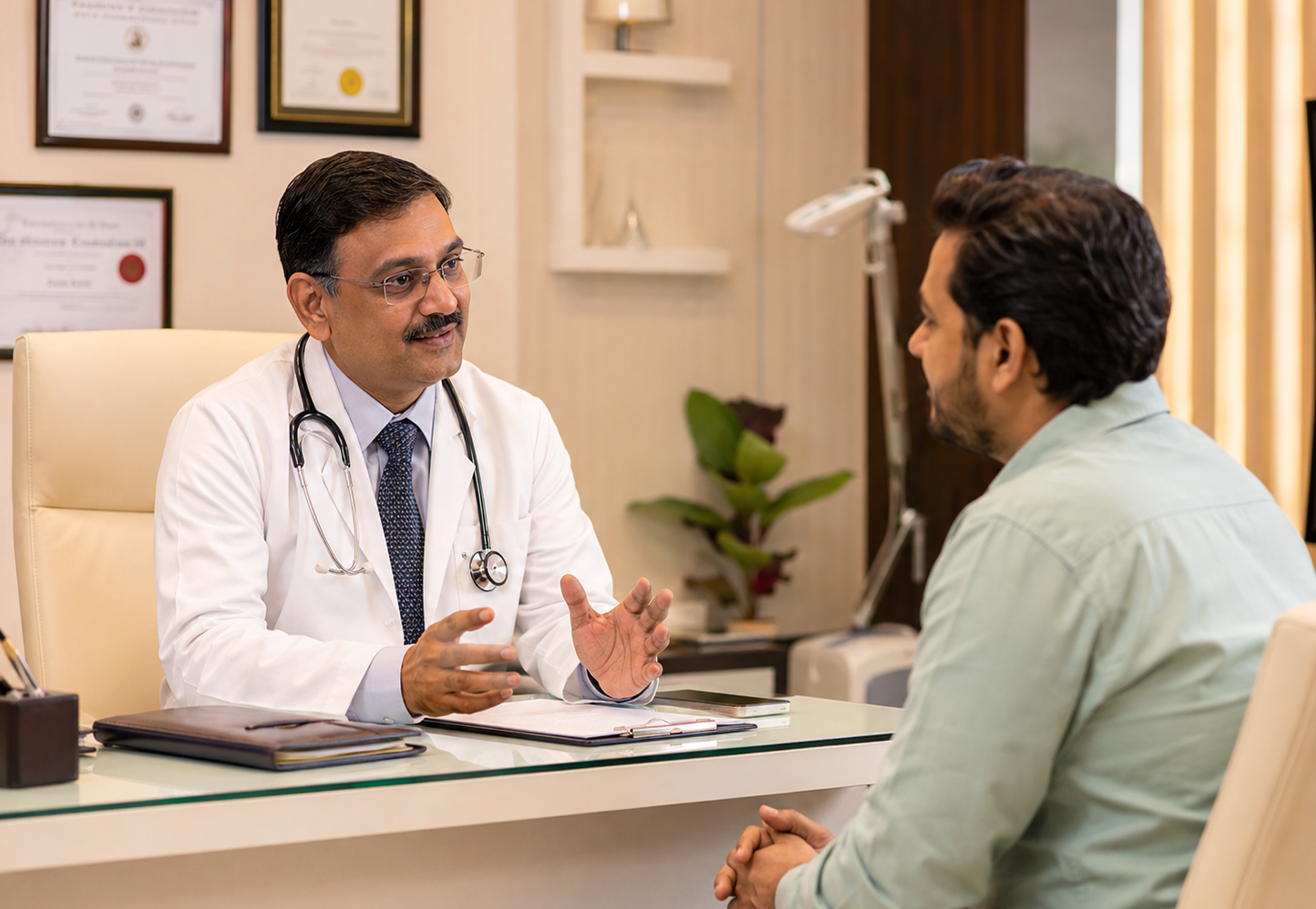
A lot of patients put off visiting a piles clinic in Rohini because they're anxious about the examination. Understanding what actually happens can make that first step feel more manageable.
Your first visit will typically involve a short discussion of your symptoms — when they started, what makes them better or worse, your diet and bowel habits, and any relevant medical history. The doctor will then perform a physical examination, which usually involves a gentle visual inspection and, if needed, a proctoscopy (a short, thin scope used to examine the inside of the anal canal). The procedure takes about two minutes and, while uncomfortable, is not typically painful.
Based on the examination, the doctor will tell you the grade of your piles and explain the treatment options available to you. You should leave that appointment with a clear understanding of what's recommended and why.
You do not need any special preparation for a first consultation in most cases. If further investigation is needed, the doctor will let you know in advance.
Diet and Lifestyle: What Helps Between Appointments
Treatment works best when it's supported by a few straightforward lifestyle changes. These aren't complicated, but they make a genuine difference.
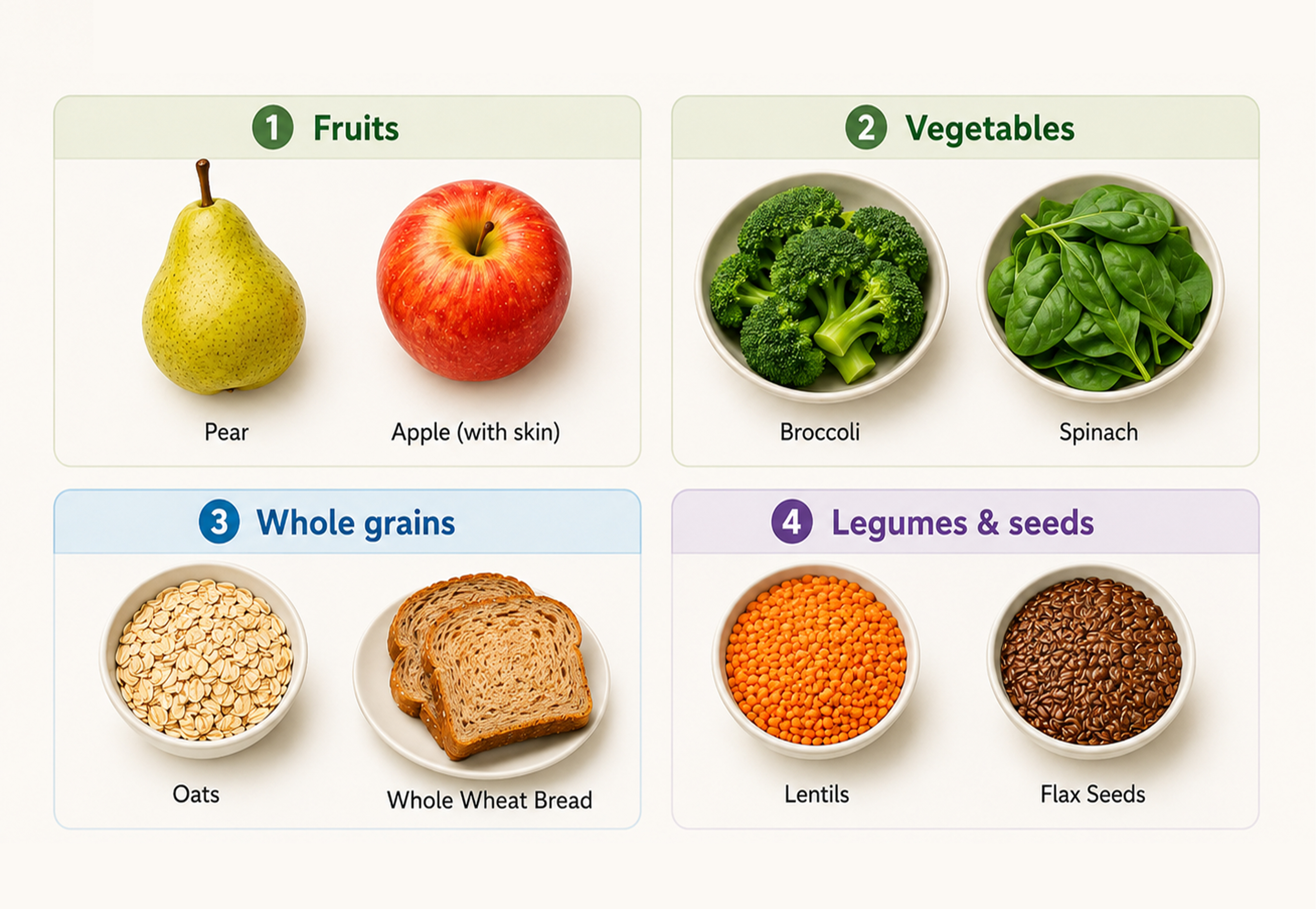
- Increase dietary fibre. The single most important dietary change for piles patients is adding more fibre — from fruits, vegetables, pulses, and whole grains. Fibre softens stools and reduces the straining that worsens piles. Aim for 25–35 grams per day.
- Stay hydrated. Aim for at least 8–10 glasses of water daily. Fibre without adequate hydration can actually worsen constipation.
- Don't delay bowel movements. Holding in a bowel movement increases rectal pressure, which aggravates piles. Go when you need to, and don't spend prolonged time sitting on the toilet.
- Avoid spicy and oily food. These don't cause piles, but they can irritate the anal lining and worsen existing symptoms.
- Sitz baths. Sitting in warm water for 10–15 minutes after a bowel movement can reduce discomfort and inflammation during a flare-up.
These changes won't cure Grade III or Grade IV piles on their own, but they significantly support recovery after treatment and reduce the chance of recurrence.
FAQ: Piles Treatment in Rohini, Delhi
How much does piles treatment cost in Rohini? Consultation is ₹1,500, IRC treatment is ₹30,000–₹35,000, and laser treatment is ₹50,000–₹60,000. You receive the final treatment plan and cost estimate after examination.
Is laser piles treatment painful? Most patients describe the laser procedure as causing minimal discomfort. Because it's minimally invasive — no cuts, no stitches — post-procedure pain is usually mild and managed with over-the-counter medication. You can typically return to work or normal activity within one to two days.
How many sessions of IRC treatment are needed for piles? That depends on the grade and number of piles. Many Grade I and Grade II cases are resolved in one to three sessions, usually spaced two to four weeks apart. Your doctor will give you a realistic estimate after the initial examination.
Can piles come back after treatment? They can, particularly if lifestyle factors like low fibre intake and straining aren't addressed. The recurrence rate after laser or IRC treatment is low — typically under 10–15% over five years — but dietary and lifestyle changes significantly reduce that risk further.
When should I see a doctor instead of managing piles at home? See a specialist if you notice rectal bleeding (even if you think you know the cause), if a lump near the anus is not reducing within two to three weeks, if you have significant pain, or if over-the-counter treatments haven't helped after a month. Bleeding from the rectum should always be evaluated by a doctor to rule out other causes.
Conclusion
Finding the right piles clinic in Rohini, Delhi doesn't have to feel overwhelming. The most important things to look for are a doctor with specific experience in anorectal conditions, transparent pricing, a clear explanation of your treatment options, and a non-surgical first approach where appropriate.
Most people with piles — even those who've been managing symptoms for years — can be treated effectively with a minimally invasive procedure, a short recovery, and a few sustainable changes to their diet. The hardest part, for most patients, is simply making that first appointment.
If you're ready to take that step, start by booking a consultation to get a proper assessment of your grade and the options available to you. And if you'd like to understand more about specific procedures before you go, reading about laser treatment and IRC in more detail is a good next step.
This article is for informational purposes only and does not constitute medical advice. Please consult a qualified medical professional for diagnosis and treatment.
